
What is MVC?
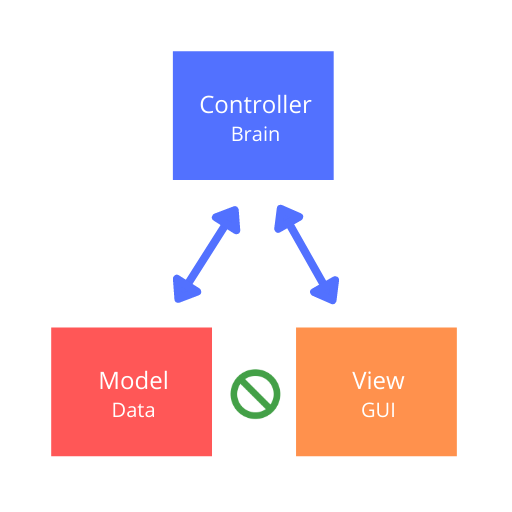
MVC stands for Model-View-Controller. MVC is an application design model consisting of three interconnected parts. They include the model (data), the view (user interface), and the controller (processes that handle input).
MVC is a well-known model for designing web applications. Popular programming languages like JavaScript, Python, Ruby, PHP, Java, C#, and Swift have MVC frameworks that are used for web or mobile application development.
How does MVC work?
- The Model (/app/Models) is responsible for managing the data of the application. It receives user input from the Controller.
- The View (/app/Views) is responsible for the presentation of the Model (data) in a certain format.
- The Controller (/app/Controllers) receives the user input validates it, and then passes the input to the Model. It performs interaction on the model objects.
Benefits of MVC Framework
- Parallel development
- Code reusability
- Multiple views for a model
- Organizes large-size web applications
- Faster Development Process
- SEO-Friendly Platform