


Close Menu
InfovistarInfovistar
  • AI & ML
  • Cybersecurity
  • Money
    • Personal Finance
  • Insights
    • Tech News
    • Startup
    • Web Development
    • AWS and Cloud
    • Blockchain and Cryptocurrency
    • Chatbots
    • Technology
    • DevOps
    • Resources
  • Courses
    • Machine Learning
      • Python Tutorial
      • TensorFlow Tutorial
      • OpenCV
    • DSA
      • Data Structures
    • Web Development
      • PHP Tutorial
      • CodeIgniter Tutorial
      • CodeIgniter 4 Tutorial
      • CodeIgniter 4 AJAX
      • JavaScript
    • Mobile Development
      • Android Tutorial
  • Tools
    • Beautifier
      • HTML Beautifier
      • JavaScript Beautifier
      • CSS Beautifier
    • Online Compilers
      • Python Compiler
      • Java Compiler
      • JavaScript Editor
      • PHP Compiler
      • C++ Compiler
      • C Compiler
    • Image Optimization
      • Image Compressor
      • JPEG to PNG
      • PNG to JPEG
      • WebP to PNG
Trending News

Binance Hack: $6.3 Billion Drained in the Largest Crypto Theft Ever. What We Know So Far

October 30, 2026

This Site Uses XSLT Chrome Warning Explained: How to Fix It

October 30, 2026

iPad mini OLED Price in India: Wi-Fi & Cellular Variants, Offers

October 30, 2026
Facebook X (Twitter) Instagram
Facebook X (Twitter) Instagram Pinterest Vimeo
InfovistarInfovistar
  • AI & ML
  • Cybersecurity
  • Money
    • Personal Finance
  • Insights
    • Tech News
    • Startup
    • Web Development
    • AWS and Cloud
    • Blockchain and Cryptocurrency
    • Chatbots
    • Technology
    • DevOps
    • Resources
  • Courses
    • Machine Learning
      • Python Tutorial
      • TensorFlow Tutorial
      • OpenCV
    • DSA
      • Data Structures
    • Web Development
      • PHP Tutorial
      • CodeIgniter Tutorial
      • CodeIgniter 4 Tutorial
      • CodeIgniter 4 AJAX
      • JavaScript
    • Mobile Development
      • Android Tutorial
  • Tools
    • Beautifier
      • HTML Beautifier
      • JavaScript Beautifier
      • CSS Beautifier
    • Online Compilers
      • Python Compiler
      • Java Compiler
      • JavaScript Editor
      • PHP Compiler
      • C++ Compiler
      • C Compiler
    • Image Optimization
      • Image Compressor
      • JPEG to PNG
      • PNG to JPEG
      • WebP to PNG
Subscribe
InfovistarInfovistar
Home » Malicious Chrome VPN Extensions Installed 1.5 Million Times
Cybersecurity

Malicious Chrome VPN Extensions Installed 1.5 Million Times

InfovistarBy InfovistarDecember 27, 2023Updated:December 23, 2024No Comments3 Mins Read
Share Facebook Twitter Pinterest LinkedIn Tumblr Reddit Telegram Email
Malicious-Chrome-VPN-Extensions-Can-Hijack-Your-Browser-Installed-1.5-Million-Times
Share
Facebook Twitter LinkedIn Pinterest Email

A recent cybersecurity threat has come to light, involving malicious VPN extensions for Chrome and Edge that have been installed over 1.5 million times. These fake VPN extensions, named “netPlus” for Chrome and “netSave/netWin” for Edge, pose as legitimate VPN services but contain harmful code designed to steal sensitive user data.

The malicious extensions were first discovered by ReasonLabs, a cybersecurity firm, who noted that they were primarily spread through pirated game torrents featuring popular titles such as GTA and Assassin’s Creed. Once installed, the extensions would automatically take over the user’s browser without requiring any additional input. They could then record keystrokes, capture screenshots, and steal sensitive data such as passwords and financial information.

⚠️There has been an alarming incident where the complete source code of GTA 5 has been leaked by unidentified hackers. pic.twitter.com/rDtmP9oDGB

— Cyber Security News (@The_Cyber_News) December 26, 2023

Insights

ReasonLabs notified Google of their findings, and the company promptly removed the offending extensions from the Chrome Web Store. However, due to the large number of downloads, many users remain affected by the malware.
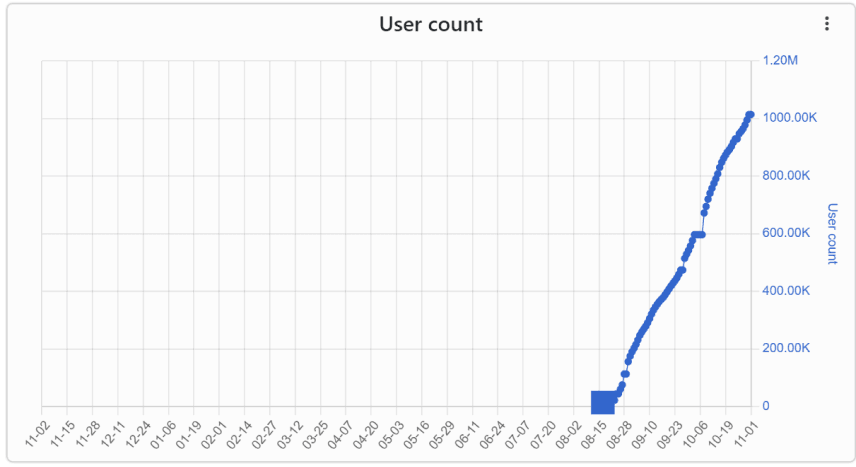
Source: chrome-stats

Interestingly, researchers have also identified another issue related to Chrome VPN extensions that may compromise user privacy. Even legitimate VPN extensions can potentially leak DNS data, allowing third parties to monitor a user’s internet activity. Although this issue differs from the one posed by the fake VPN extensions mentioned earlier, it highlights the importance of ensuring that all VPN extensions are properly configured and up-to-date.

Furthermore, these extensions communicate with command-and-control (C2) servers, revealing a disconcerting link to Russian domains. Users are at risk of identity theft and other cybercrimes due to this cyber assault. Such attacks compromise user privacy, manipulate browsing activity for financial gain, and expose them to heightened risks of identity theft.

A closer look reveals that the attack campaign targeted Russian-speaking users, circumventing browser security measures using advanced techniques. Google swiftly removed all identified extensions from the Chrome Web Store, underscoring how platforms play an essential role in protecting users.

Stay Safe

To protect yourself from these types of threats, it’s essential to exercise caution when downloading and installing browser extensions. Only download extensions from trusted sources, such as the official Chrome Web Store, and always check the reviews and ratings before installing. Additionally, consider using a reputable antivirus program that includes real-time protection against malware and phishing attacks.

If you suspect malware has infected your computer, use a reliable antivirus program to run a full system scan. Reset your browser settings and clear your cache and cookies to eliminate any lingering traces of the malware.

Overall, while VPN extensions can provide valuable benefits such as enhanced privacy and security, it’s crucial to approach them with caution and vigilance. Always double-check suspicious links or downloads, keep your software up-to-date, and regularly scan your system for signs of infection.

Cybersecurity google chrome
Share. Facebook Twitter Pinterest LinkedIn Tumblr Email
Previous ArticleIT Firms in India Are at Risk from Ransomware Attacks
Next Article gRPC vs REST: Navigating the API Protocols
Infovistar
  • Website
  • Facebook
  • X (Twitter)
  • Instagram
  • LinkedIn

Related Posts

Blockchain and Cryptocurrency

Binance Hack: $6.3 Billion Drained in the Largest Crypto Theft Ever. What We Know So Far

October 30, 2026
Web Development

This Site Uses XSLT Chrome Warning Explained: How to Fix It

October 30, 2026
Cybersecurity

How to check if your PHP website was hacked

October 23, 2026
Add A Comment

Comments are closed.

Blog Categories
  • AI and ML (100)
  • Android (4)
  • AWS and Cloud (7)
  • Blockchain and Cryptocurrency (7)
  • Case Study (7)
  • Chatbots (5)
  • Cybersecurity (77)
  • DevOps (5)
  • Money (6)
  • Object-Oriented Programming (2)
  • Payment Gateway (4)
  • Personal Finance (6)
  • Resources (5)
  • Search Engine Optimization (3)
  • Startup (34)
  • Tech News (77)
  • Tech Tips (17)
  • Technology (79)
  • Trading (6)
  • Web Development (24)
Top Posts

Google is rolling out Identity Check Feature to Android 15

January 25, 20252,375 Views

How to Use Google Gemini with WhatsApp in 2026

February 16, 20241,913 Views

OpenAI Unveils Web-Based AI Agent Operator for Task Automation

January 24, 20251,507 Views
Stay In Touch
  • Facebook
  • YouTube
  • WhatsApp
  • Twitter
  • Instagram
  • Pinterest
  • LinkedIn
Latest Articles

Subscribe to Updates

Get the latest tech news from FooBar about tech, design and biz.

Facebook X (Twitter) Instagram Pinterest
  • About Us
  • Contact Us
  • Tools
  • Terms & Conditions
  • Privacy Policy
  • AdSense Disclaimer
© 2026 Infovistar. Designed and Developed by Infovistar.

Type above and press Enter to search. Press Esc to cancel.